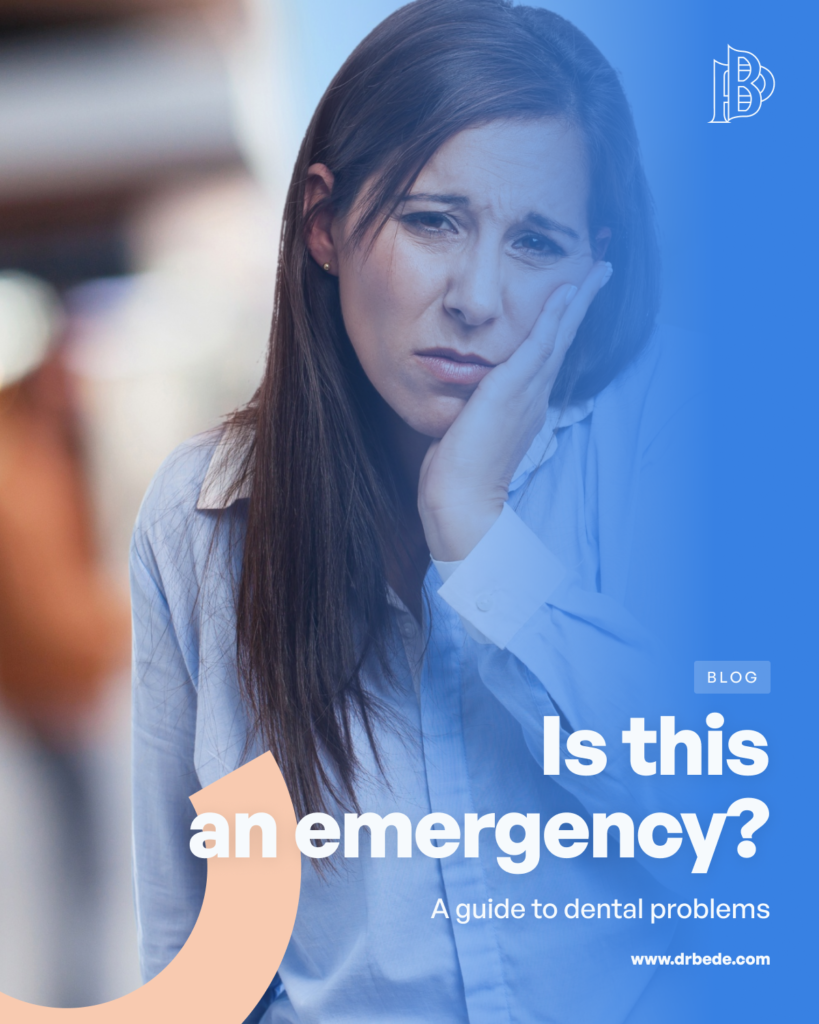
The jaw joint (temporomandibular joint) is a unique structure in the human body. It is the only joint that always works in pairs and also the joint used the most throughout the day. Issues that may appear in the jaw joint include clicking or popping, as well as more severe symptoms such as pain and limited mouth opening.
Causes Of Temporomandibular Joint Problems
-
joint injury, direct trauma, or dislocation
-
teeth clenching, tension, stress
-
misaligned bite, improper tooth and jaw position, or a large number of missing teeth
-
degenerative joint conditions, joint tumors
Regardless of the cause, symptoms may include: pain in the jaw joint and surrounding areas of the head, pain while opening the mouth or chewing, limited mouth opening, muscle tension, clicking, and joint popping. Patients with these symptoms often struggle to tolerate longer dental procedures due to prolonged mouth opening.
Duration Of Symptoms
In acute conditions and injuries, symptoms may last from a few days to a few weeks. In chronic temporomandibular joint problems, symptoms may persist for months or even years if no steps are taken to address the issue.

Source: https://dentalwellnessgroup.com/ways-tmd-can-impact-individuals-hearing/
Temporomandibular Joint Therapy
Injuries And Dislocations
In cases of injury or joint dislocation, an X-ray is needed to check for bone fractures. If there is no fracture, treatment includes resting the joint as much as possible, avoiding hard foods, and taking anti-inflammatory medication.
Problems Caused By Teeth Clenching
For patients who clench or grind their teeth, a night guard is recommended. In more severe cases, muscle relaxants or injections may be used to reduce excessive clenching. If clenching is related to stress or tension, psychological counseling may also be helpful.
Bite Irregularities
A misaligned bite can lead to chronic temporomandibular joint issues. This is especially common in patients with an open bite, where the front teeth do not make contact. As a result, excessive pressure is placed on the back teeth, causing joint overload. Orthodontic treatment may be necessary to correct the bite.
Missing Teeth And Bite Collapse
Patients who have lost many teeth due to decay or periodontal disease may experience joint problems due to bite collapse. Complete prosthetic rehabilitation—crowns, bridges, or dentures—may be required to restore proper function.
Clicking During Mouth Opening
Some patients, often younger individuals, experience clicking in the joint during wide-mouth opening. These movements should be minimized, and specific exercises can help reduce clicking. Your dentist can show you how to perform these exercises correctly.
Degenerative Joint Conditions
In cases of more severe degenerative changes within the joint, a detailed examination and consultation with an oral and maxillofacial surgeon are necessary. This specialty deals with treating joint disorders both conservatively and surgically.