

What are Ceramic Veneers?
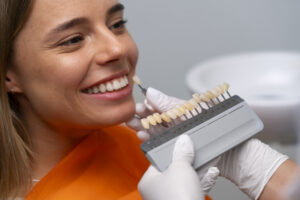
Ceramic veneers are thin ceramic shells that are placed on the front surface of the teeth to improve their appearance. If you have healthy teeth but are not satisfied with their aesthetics, veneers can be a way to achieve the desired smile and beautiful teeth.
Advantages of Ceramic Veneers
Unlike composite, ceramic veneers require drilling of the front surface of the tooth, that is, preparing a base for the future veneer. This grinding is less extensive than that required for ceramic crowns.
Based on a dental impression, ceramic veneers are individually crafted in a dental laboratory according to your specific needs.
The advantage of ceramic over other materials is that it is the most durable material. Ceramic does not change its color or appearance over the years.
How to Maintain Ceramic Veneers?
As with all other types of prosthetic restorations, teeth with ceramic veneers need to be regularly maintained.
This involves maintaining thorough oral hygiene throughout the day, including the use of dental floss or interdental brushes. It is also necessary to have professional dental cleanings performed twice a year by a dentist. This cleaning includes a detailed removal of deposits from all teeth using an ultrasonic scaler. It is followed by air polishing and polishing of the teeth.
Only with regular maintenance of veneers at home and through professional care can you expect long-term healthy and aesthetically pleasing teeth and gums. If oral hygiene is neglected, gum inflammation is very common in patients with veneers. You can recognize gum inflammation if the gum margin around the veneers appears red, swollen, or if your gums bleed when touched.
.
Cost of Ceramic Veneers
The price of ceramic veneers is usually similar to the cost of ceramic crowns. What is important in the decision-making process between these two prosthetic restorations is the indication, i.e., which type of restoration is best for addressing your problem. Veneers can only be applied to teeth that do not have extensive damage or fillings and to patients with a correct bite. If this protocol is not followed, the veneers will have a short lifespan.
