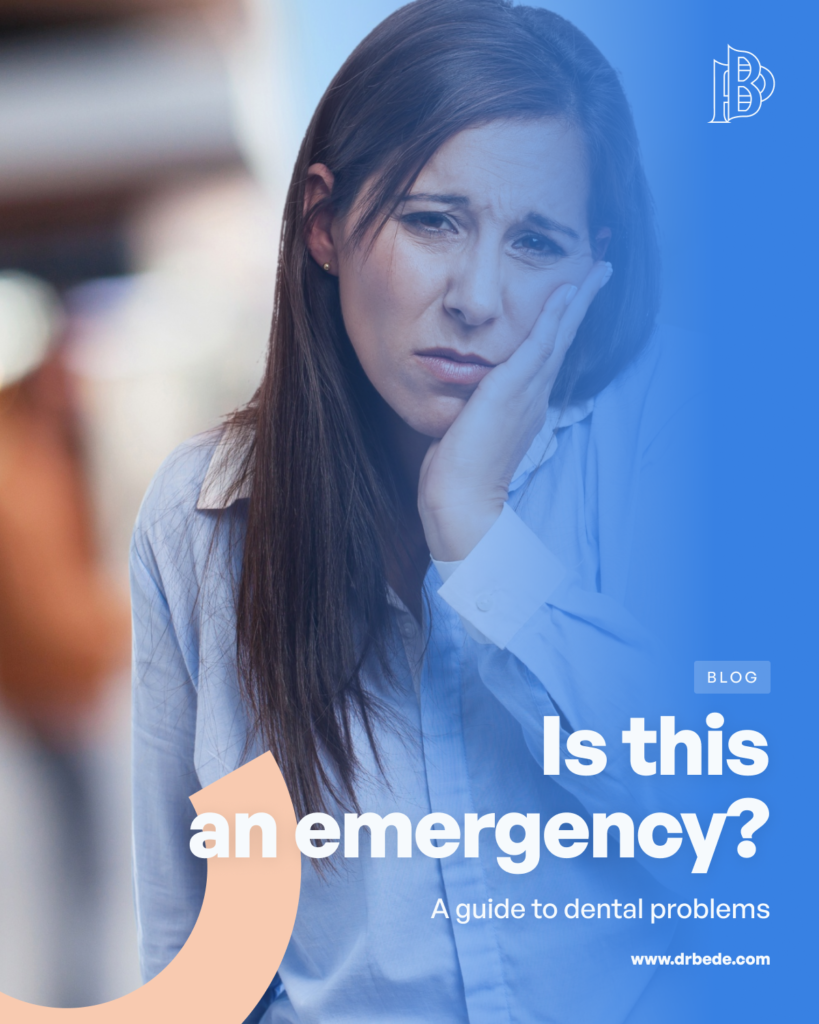
Bruxism is an unconscious action that occurs during sleep. A person with bruxism produces loud and unpleasant sounds, of which they are unaware, and which are usually first noticed by someone else. It is called bruxomania if teeth grinding or clenching happens consciously during the day.
Causes of teeth grinding include:
- Stress, emotional strain, fear, and fatigue
- Improper bite (malocclusion)
- Use of certain medications (antidepressants)
- Aggressive or hyperactive personality types
- Teething in children
Since bruxism occurs unconsciously, the forces exerted by the muscles on the teeth are much stronger than those generated during normal chewing. This leads to serious consequences for the teeth and their supporting structures.
The most common symptoms of teeth grinding are:
- Flattened chewing surfaces of teeth
- Enamel damage, enamel cracks
- Gum recession
- Damage to the inner cheek lining (mucosa)
- Damage to the jaw joint, joint pain
- Tooth sensitivity
- Reduced bite height, improper tooth position
- Muscle pain
- Ear pain
- Headaches
- Tension, nervousness

How to Solve Nighttime Teeth Grinding?
Your dentist will ask you some questions, such as: When did you first notice the symptoms of bruxism? Do you grind your teeth constantly or occasionally? Have you noticed if grinding increases or decreases in certain situations?
After an examination in the dental office and determining the cause of teeth grinding, a treatment plan is created. During the examination and with the help of an X-ray analysis, the dentist will assess the consequences on the teeth.
If the cause is an improper bite, orthodontic therapy or selective tooth reshaping is necessary. Existing consequences of bruxism are treated conservatively (white composite fillings) or prosthetically (crowns).
Mouthguard for Teeth Grinding
The most important step in addressing this problem is making a custom mouthguard for sleep (silicone splint or night guard). This comfortable mouthguard is made based on a patient’s dental impression and is worn on one jaw during sleep. Its role is to absorb the forces generated at night and prevent further tooth damage. This mouthguard is recommended for patients with natural teeth as well as those with ceramic crowns and bridges. Wearing a silicone mouthguard will help preserve both your natural teeth and any restorations on them.
Depending on the severity of teeth grinding, a softer or harder splint can be made for sleeping. For patients with severe bruxism, the splint will gradually wear down and thin out. A simple procedure at the dentist will replace the worn-out splint with a new one. This is precisely the point of wearing a night guard—to wear it out instead of your teeth.
For some patients, psychological counseling and lifestyle changes are recommended, such as reducing stress and avoiding caffeine, alcohol, and cigarettes before bed. Additionally, consulting a sleep specialist may help determine whether the patient suffers from obstructive sleep apnea and how often they clench their teeth at night.
If the patient does not seek help in solving this problem, their teeth will gradually wear down and shrink, eventually requiring serious prosthetic reconstruction of the entire chewing system, including treatment, tooth buildup, and the creation of ceramic crowns.