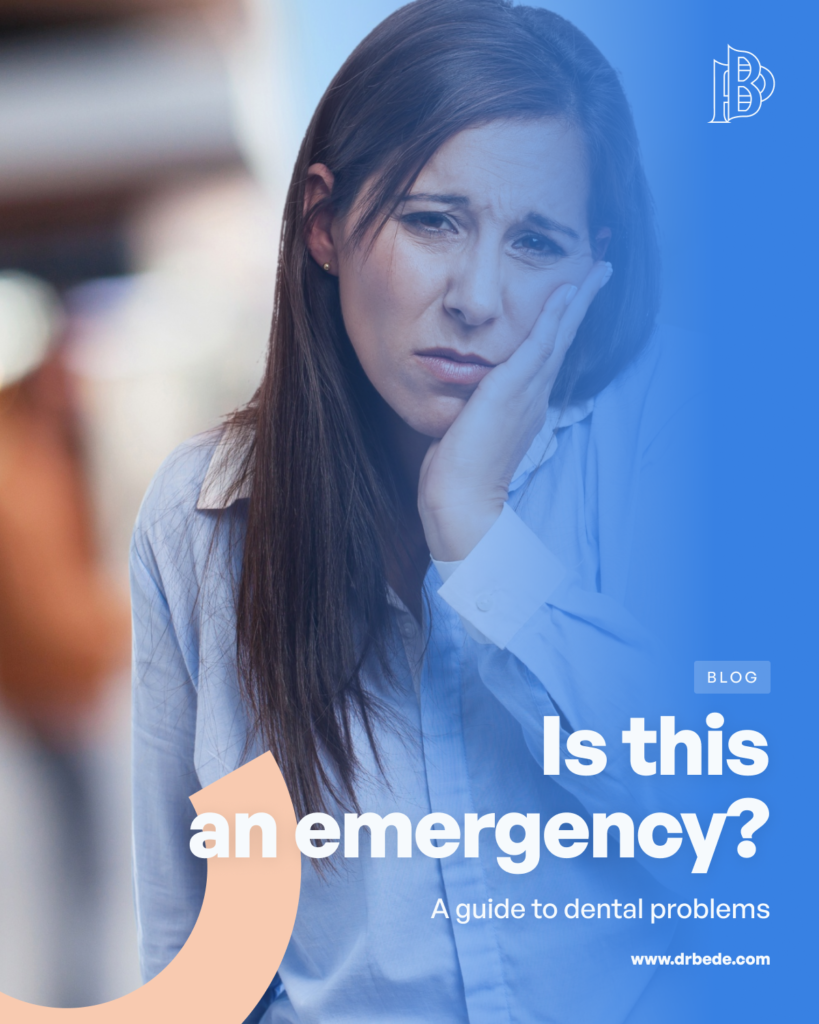
Everyone has experienced sudden, short, sharp pain or tooth sensitivity at least once in their life. This often occurs after consuming something hot or cold. This type of sensation indicates that something may be wrong with your tooth. Here’s why you should not ignore such pain.
Initial or Advanced Tooth Decay
Tooth decay (caries) is the most common cause of this kind of symptom. The pain is usually short and triggered by some irritation. Depending on the patient’s sensitivity, some may feel this pain even at the very early stage of decay, while others only notice it when the decay is more advanced. In any case, it’s always better to treat caries as soon as possible to prevent inflammation of the nerve.
Cracked Filling
For teeth that have already been filled, over time, parts of the filling material may break off. This problem can also cause pain from hot and cold stimuli. A cracked or fallen filling should not be ignored because decay can form again in that spot.

Gum Recession
When gums recede, the root of the tooth becomes exposed. The root does not have the protective enamel layer, so it is very sensitive to temperature changes. Although this is not decay, it can still be treated with a protective filling on the exposed root.
Tooth Damage
Any type of damage such as chipping, trauma, or fracture can cause sensitivity and pain. This is often a situation patients rarely ignore because the pain can be quite intense. Also, damage caused by brushing too hard with a stiff toothbrush can contribute to such problems.
What Should You Do?
If you notice sharp, short pain from hot or cold on any tooth, you should see your dentist as soon as possible. Based on a dental exam and X-rays, the dentist can determine the cause of the sensitivity. Then, appropriate steps can be taken to treat the tooth and prevent further sensitivity.
How to Differentiate This Pain from Nerve Inflammation?
If the pain occurs spontaneously, without any hot or cold triggers, is dull, and lasts a long time, this may indicate a more serious problem. This most often points to inflammation of the nerve inside the tooth. If you experience such pain, seek dental help immediately because these symptoms do not resolve on their own and tend to worsen.