We all strive for a perfect white smile. Over time, tooth discoloration can occur for various reasons. Have you noticed any of the following changes on your teeth?
Tooth discoloration due to colored foods and drinks
These are the most common changes we see. Brown or black spots on teeth that you cannot remove by brushing. Similar changes also occur in smokers.
Dental tartar
Tartar forms through the mineralization of food residues on teeth. Once formed, tartar cannot be removed by brushing and toothpaste and requires professional cleaning by a dentist. You will notice it as yellowish deposits near the gums. In smokers, tartar tends to be darker.
Treated tooth
A tooth that has undergone root canal treatment often appears darker than others. Usually, patients notice this only when it affects a front tooth.
Amalgam (black) filling
Due to its composition, this filling releases dark pigments over time, which can stain the surrounding healthy tooth structure or gums near the filling.
Pigmentation from arrested cavities
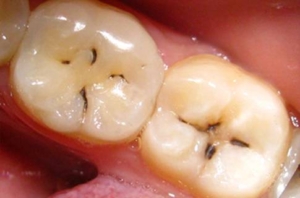
If a cavity is halted early by good oral hygiene and balance in the mouth, the affected area may turn a darker brown. If not an aesthetic concern, this can be monitored regularly.
Tooth injury
Trauma such as a fall or impact can cause nerve necrosis (death) inside the tooth, leading to discoloration similar to root canal treated teeth. The entire tooth becomes noticeably darker compared to others.
Tetracycline teeth
These teeth show brown lines horizontally. This happens when tetracycline antibiotics were given to pregnant women or children under 8 years old, affecting tooth color permanently.
Developmental enamel defects
Occur due to disturbances in tooth mineralization from trauma or illness. Early signs are whitish enamel opacities; later they may turn brownish-orange.
Dental fluorosis
Occurs in areas with high fluoride in drinking water. White spots appear on enamel, initially smooth and shiny, but later can become pitted due to poor mineralization.
Prevention and treatment of tooth discoloration
Remove deposits such as tartar, tobacco, and food pigments regularly at the dentist, at least once a year. Ultrasonic cleaning and polishing will restore healthy and aesthetically pleasing teeth and gums.
Discolored teeth from root canal or trauma can be whitened internally, but often require ceramic crowns or veneers.
Old black fillings should be replaced with white composite fillings. Proper replacement can remove pigments and prevent new ones. If not in the smile zone, removing all pigments is not always necessary to preserve healthy tooth tissue.
Tetracycline teeth and enamel defects are hardest to treat, usually requiring crowns or veneers.
White spots not yet turned into defects can be treated with mineralizing agents. Existing enamel defects are treated with fillings.
Consult your dentist if you notice any tooth color changes. It is important to rule out decay versus pigment or deposits.
If you want whiter teeth, ask your dentist about professional whitening options.