
What is Root Canal Treatment?
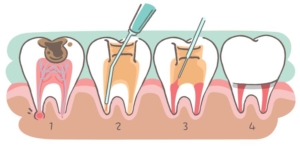
Root canal treatment is a procedure that involves removing the infected nerve from the root of the tooth. Patients often call it “nerve treatment” or “tooth nerve removal.”
Although the procedure is complex and demanding, it usually means saving the tooth from extraction.
How Does a Tooth Nerve Infection Occur?
Bacteria that cause cavities, if not removed on time, penetrate deeper into the tooth structure and eventually reach the nerve. This often leads to:
-
sharp and intense tooth pain (often at night),
-
swelling of the soft tissue around the tooth.
In some cases, nerve infection can develop without any symptoms.
Other possible causes include:
-
periodontal disease (periodontitis),
-
tooth trauma,
-
improper bite or injury.
What to Do When a Tooth Starts Hurting?
Pain caused by nerve inflammation usually appears suddenly and can be very strong.
The first step is to visit your dentist as soon as possible.
Until then, you can relieve the pain with over-the-counter painkillers and cold compresses.
Important: if the pain suddenly stops, that doesn’t mean the problem is gone. The tooth still needs treatment to prevent extraction.
How Does the Root Canal Procedure Work?
During the appointment, the dentist will:
-
Identify the affected tooth.
-
Take an X-ray image.
-
If swelling is present – prescribe antibiotics.
The procedure is performed under local anesthesia and should not be painful.
Root canal treatment usually requires several visits over 2–3 weeks, during which the dentist cleans the tooth and places medication inside. After that, the tooth is permanently filled and sealed with a dental filling.
A control X-ray is required immediately after treatment and again after 6 months.
What Happens After Root Canal Treatment?
Teeth without nerves become more fragile and prone to fracture.
That is why dentists recommend placing a ceramic crown to protect the tooth.
When properly treated and restored, a root canal-treated tooth can last just as long as a healthy one.
How to Prevent Root Canal Treatment?
The best prevention is:
-
regular dental check-ups,
-
early treatment of cavities,
-
good oral hygiene.
During summer months, due to higher temperatures, patients with untreated cavities often experience increased pain and swelling. Don’t postpone your dental visits—prevention saves you time, money, and discomfort.