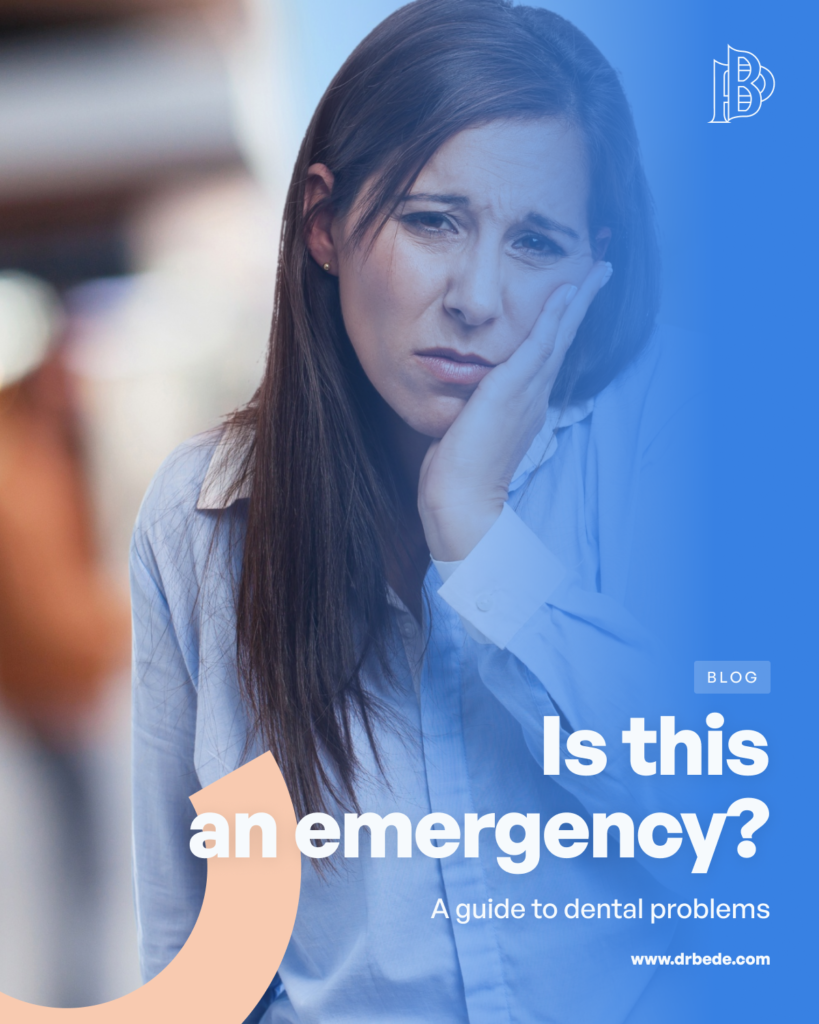
People face stressful situations every day, across all professions. A small amount of stress can be beneficial because it keeps us focused and prepares us to face daily challenges. On the other hand, too much stress can lead to health problems, and work-related stress is one of the leading causes. Research has shown that dentistry ranks among the top 10 most stressful professions, and that dentists are under pressure for much of their working hours.
Why Is the Dentist Under Stress?

The nature of our work demands that we stay highly focused at all times, while also making sure the patient is comfortable during the procedure. We spend our entire workday indoors, exposed to bright lights and constant noise, which further exhausts our bodies. Traits such as perfectionism, attention to detail, and self-control are essential for every good dentist, but research shows that these same traits can lead to serious psychological issues.
Time and financial pressure are also major stress factors. If a dentist isn’t in the office working, there’s no income. Because of this, many dentists delay vacations, further exhausting their already overworked bodies.
Another source of stress is the fact that we work with people who are often afraid — sometimes even phobic — of us. A stressful situation arises whenever you can’t connect with a patient who is experiencing intense fear.
How Does Stress Manifest?
Common signs of stress include fatigue, headaches, nausea, high blood pressure, hyperventilation, and similar symptoms. Dentists under stress also often experience restlessness, anxiety, and depression.
How To Deal With Stress When It Arises
Mental aspect
In high-stress professions, people often don’t recognize the exact moment when stress is triggered. To face stress, the first step is to identify what sets it off in you.
If it’s about the doctor–patient relationship, pause for a moment and pinpoint what’s bothering you. If it’s the patient’s expectations, clarify them before you begin treatment. Don’t allow yourself to start a procedure without ensuring the patient understands the possible outcomes. If the patient is very anxious, have a conversation first — try to uncover where the anxiety is coming from and whether talking can help calm both them and you. If the stress comes from feeling unsure about how to handle a complicated case, again, allow yourself to pause and consult with a colleague.
Physiological aspect
People who are constantly under stress often forget to breathe properly — they breathe fast and shallow. Breathing techniques can help the body relax and better handle stressful moments. Start paying attention to each inhale and exhale; breathe slowly and deeply from your belly. This will help your body relax, regulate your heartbeat, and make you feel noticeably better.
Physical aspect
When you notice physical signs of stress during your workday, it’s important to pause and allow yourself a break. Taking a short break between patients can help you feel calmer and perform better in your next appointment. Hunger and irritability also affect how we physically respond to stress. Don’t let yourself work on an empty stomach. If your work environment doesn’t allow enough time per patient, try to speak with your team and negotiate longer time slots.
Final Thoughts
The path to health is complex, but it starts with taking care of yourself — both physically and mentally. Good nutrition, exercise, rest, and relaxation are essential components of health. But above all, learn to be kinder to yourself and to the people you with. Open and honest communication about potential problems can help you navigate the stressful everyday realities of our profession more easily.